




06 Apr , 19:14
0
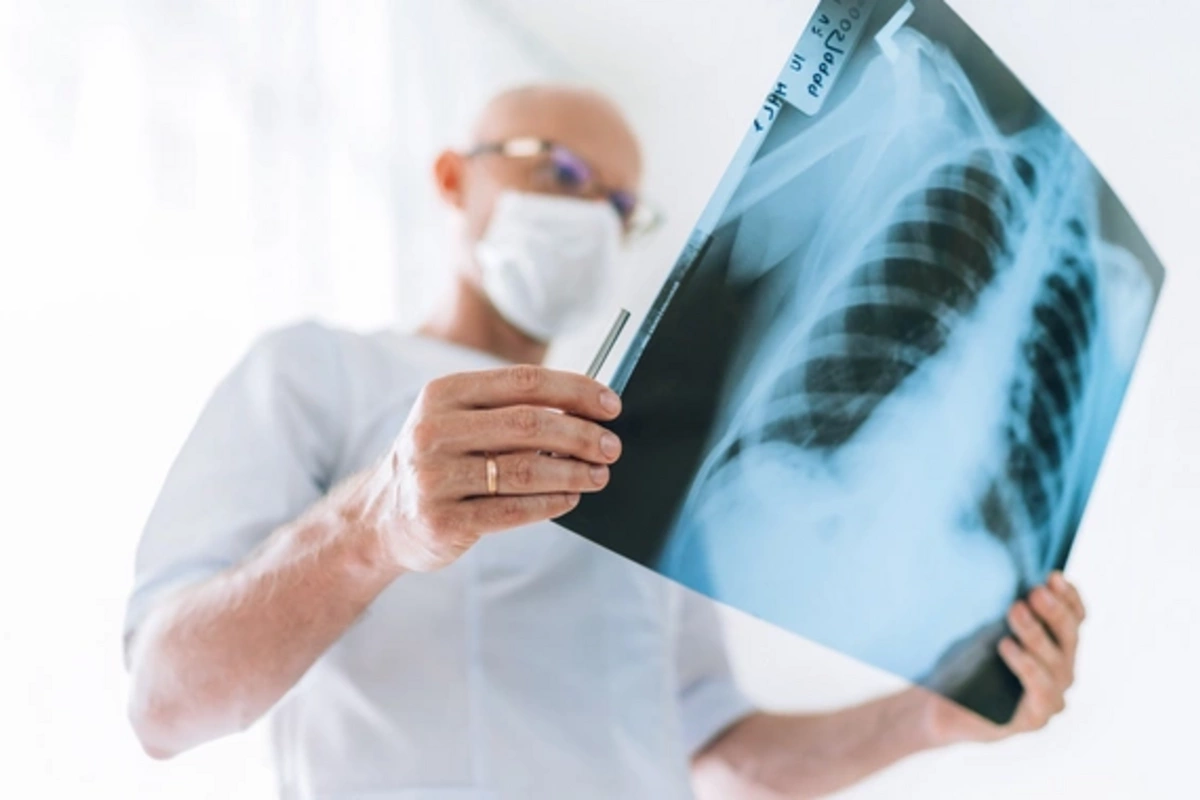
Common disinfectant sprays used daily by millions of people in homes, schools, and hospitals may be dealing a serious blow to the lungs. This was stated by scientists from the University of California, Davis — their study was published in the journal Environmental Science & Technology.
During laboratory experiments, the specialists compared two routes by which common disinfectants enter the body — through the digestive tract and through the respiratory system. The results were alarming: even significantly smaller doses when inhaled as an aerosol caused far more serious damage to lung tissue than when the same substances were swallowed.
The main threat, according to the researchers, comes from a group of chemical compounds — quaternary ammonium compounds (QACs). They are found in cleaning products, as well as in herbicides, nasal sprays, mouthwashes, and fabric softeners.
These substances themselves barely evaporate, but when sprayed, they turn into tiny droplets that easily penetrate deep into the lungs. There, they come into direct contact with the tissues responsible for gas exchange, making the respiratory system particularly vulnerable.
In experiments on mice, one of the compounds — didecyldimethylammonium chloride — proved significantly more dangerous than another common substance, benzalkonium chloride. The test animals exhibited inflammation, edema, and destruction of alveoli, as well as increased mortality.
According to the scientists, the mechanism of damage may be linked to disruption of mitochondria — cellular structures responsible for energy production. Deprived of their energy supply, cells lose their protective barriers, triggering a cascade of inflammation and tissue destruction.
Observations in humans support these concerns. In medical facilities, exposure to such disinfectants has been associated with an increased risk of developing asthma, and studies among nurses have identified a link between frequent use of cleaning products and chronic obstructive pulmonary disease (COPD). At the same time, the study authors emphasize that this is not a call to abandon disinfection.