









10 Aug , 09:56
0
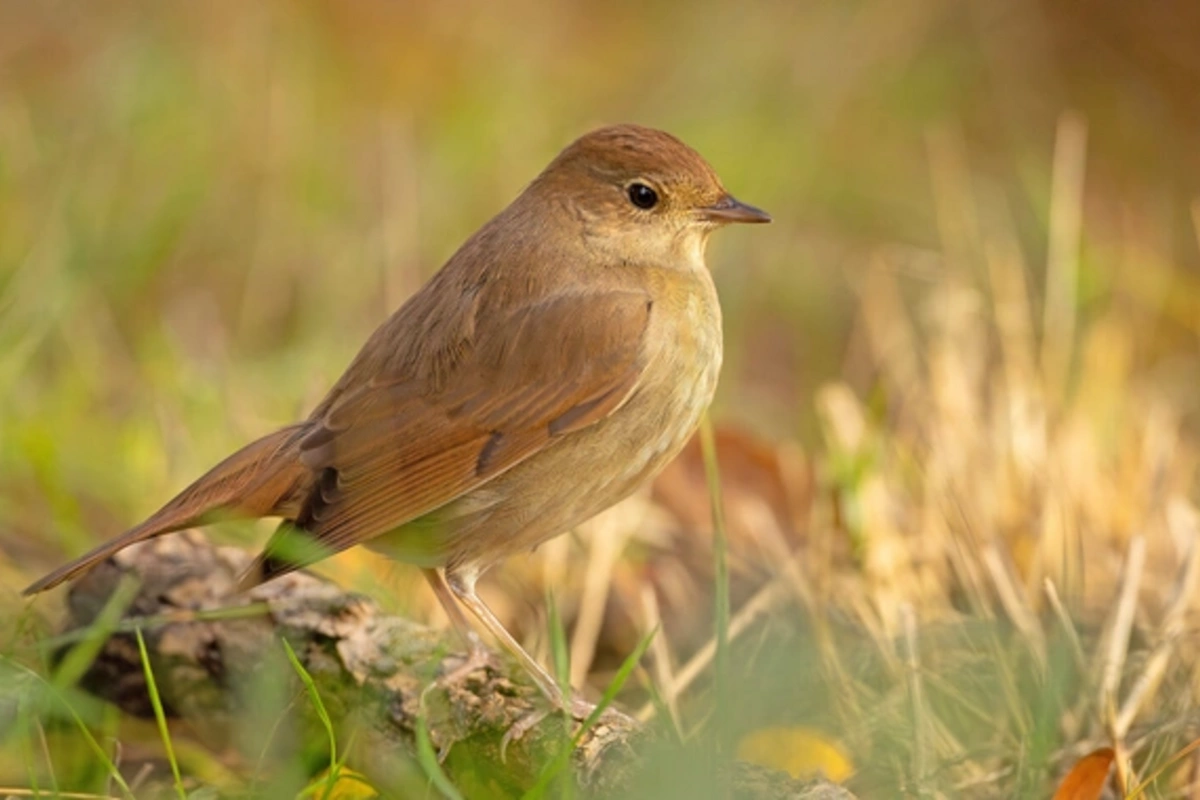
Birds around the world use the same set of eight basic sound types for their songs. This is the conclusion reached by French and American scientists after analyzing nearly 117,000 recordings of songs from 3,160 species of passerine birds. The study was published in the journal Science.
Despite the tremendous diversity of bird melodies, scientists managed to discover remarkably stable recurring elements within them. They can roughly be compared to syllables in human speech. Three types relate to trills — slow, fast, and ultra-fast. Another three relate to whistles: steady, slowly pitch-changing, and rapidly modulated. The two remaining types were termed by scientists as chaotic sounds and harmonic combinations of several notes.
"Most birds combine several such elements at once. On average, one species uses 4.6 sound types, and about 65% of songs consist of at least two. At the same time, many birds have a favorite 'syllable': one sound type can occur in more than 80% of their songs," the scientists explained.
Interestingly, the choice of sounds directly depends on the habitat. In dense tropical forests, simple whistles and slow trills are more common — they are better preserved over distance when sound has to travel through trees and humid air. In Europe and other temperate climate regions, the picture is the opposite — faster and more complex sounds are prevalent here.
Bird songs are influenced not only by environmental conditions but also by lifestyle. Larger birds more often resort to simple sounds, while smaller ones are capable of producing fast and complex whistles. Social behavior also turned out to be an important factor: birds living in groups more often use similar sound elements.
In total, the scientists analyzed recordings of 3,160 species, covering more than half of all known passerine species. The researchers emphasize, however, that it is not yet known whether the birds themselves perceive these eight sound types in the same way the computer classifies them. Testing this will require experiments involving playback of recordings in natural settings.