




06 Jan , 17:51
0
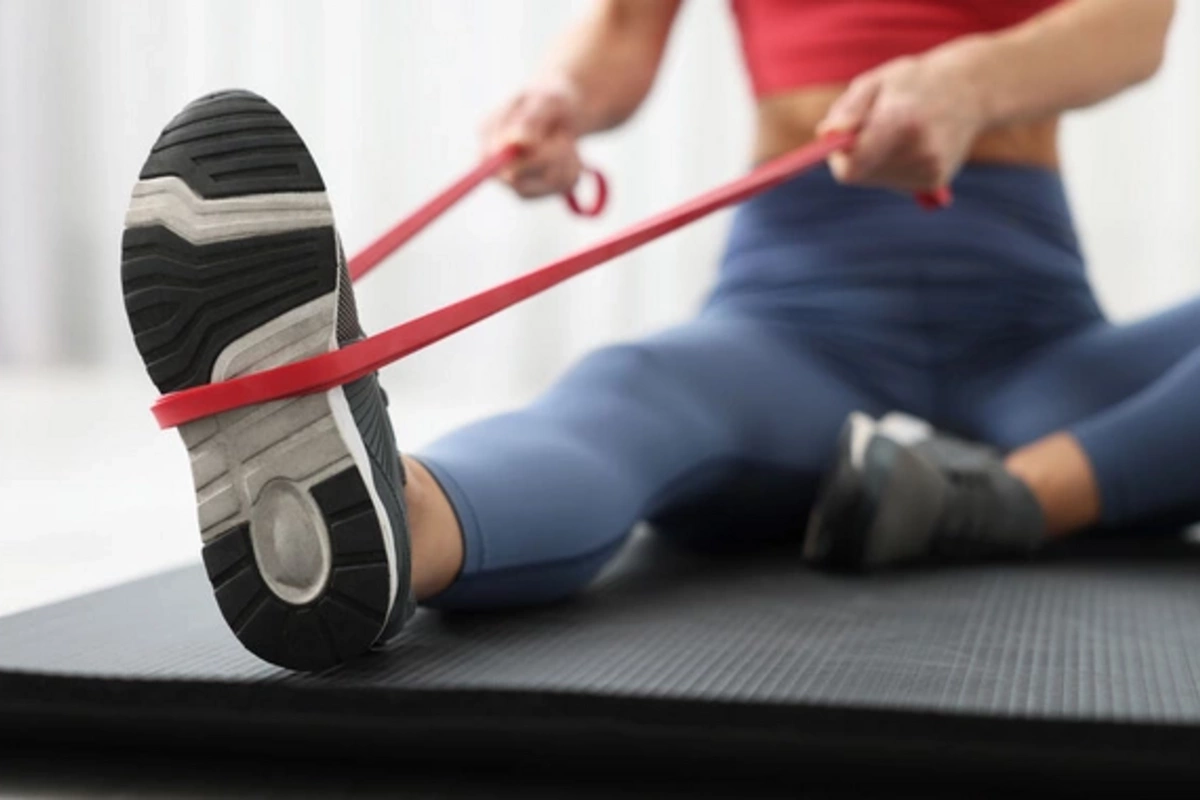
New Year's resolutions are most often associated with the desire to lead a more active lifestyle, however, experts assure: exhausting workouts are not necessary for this. It's much more important to simply start moving and choose an activity that brings pleasure.
As reported by TUT.AZ with reference to University of Alberta, Professor of the Faculty of Kinesiology, Sport and Recreation John Spence notes that even minimal physical activity is of great importance for health. According to him, the key success factor is to engage in something that truly brings joy, as these are the activities people are more likely to continue in the long term.
The expert emphasizes that physical activity doesn't necessarily have to look like a strict training plan. It can be regular walking as a means of transportation, fun games with children, friendly walks, or any other forms of movement that can be easily integrated into everyday life.
The relevance of the problem is vividly demonstrated by the ParticipACTION report for 2025 - a large-scale study of physical activity among adults in Canada. According to the shocking data, a sedentary lifestyle costs the country a colossal 3.9 billion dollars annually due to preventable healthcare expenses. At the same time, increasing the activity level of the population by just 15% would save almost 1 billion dollars per year by reducing the prevalence of chronic diseases.
Spence also reminds that physical inactivity is directly linked to the development of serious cardiovascular diseases, type 2 diabetes, and mental health problems, including depression and dementia.
Besides the undeniable health benefits, movement significantly enriches social life: more active people tend to leave their homes more often, communicate with neighbors, and feel more involved in the life of their community.
The report reveals alarming statistics: only 32% of Canadian adults walk at least 7,500 steps a day. Experts advise starting small - adding at least 500 steps, which is equivalent to approximately five minutes of walking.
Special attention is paid to the critical lack of strength and balance exercises. Only 35% of adults perform strength training twice a week, and among people over 65, only 31% regularly train balance, although these exercises significantly reduce the risk of falls and support healthy metabolism.
The document also notes an acute shortage of volunteers in sports and recreation - today their number is only 45% of what is needed. Participation in organizing local sporting events or officiating, according to Spence, can become an additional source of physical activity and simultaneously a valuable contribution to community development.
The main conclusion of the experts is surprisingly simple: movement doesn't have to be complicated. Even small changes in everyday life can bring tangible benefits both for the individual and for society as a whole.