




07 Dec , 14:22 2025
16

Frequent headaches may be associated with a deficiency of riboflavin (vitamin B2) or magnesium - this mineral regulates vascular tone, and its deficiency can trigger migraines. This was stated by Natalia Tananakina, Candidate of Medical Sciences and endocrinologist.
As reported by TUT.AZ with reference to "Gazeta.Ru", Tananakina emphasizes that nutrient deficiency is one of the most common, but least noticeable problems in modern medicine. It is especially difficult to diagnose the lack of those micronutrients whose symptoms can easily be confused with ordinary fatigue, stress, or age-related changes in the body.
The endocrinologist notes that magnesium deficiency most often manifests as increased irritability, involuntary muscle twitching, cardiac rhythm disturbances, and nocturnal calf muscle cramps. Among the hidden signs are also a constant feeling of thirst and frequent urination - symptoms that can easily be mistaken for signs of diabetes.
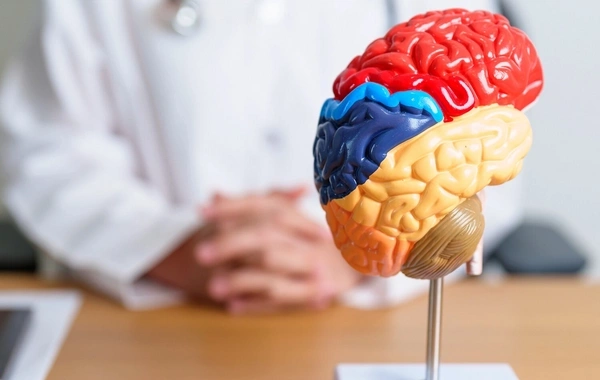
Regular headaches can also signal a deficiency of important substances. The specialist emphasizes that magnesium plays a key role in maintaining normal vascular tone, and its decreased level significantly increases the likelihood of developing migraines. A similar symptomatology can be caused by a lack of vitamin B2 in the body.
According to the medical professional, for an accurate diagnosis it is necessary not only to evaluate clinical symptoms but also to conduct laboratory diagnostics. At the same time, the magnesium level is recommended to be measured in erythrocytes, since the analysis of serum content does not always give a complete picture of the body's condition.
The doctor warns: the body rarely gives clear signals about the lack of important substances - much more often it "hints" at the problem through deteriorating sleep quality, decreased performance, and increasing irritability. Ignoring these subtle symptoms can later lead to the development of more serious health disorders.