







23 Dec , 21:17 2025
13
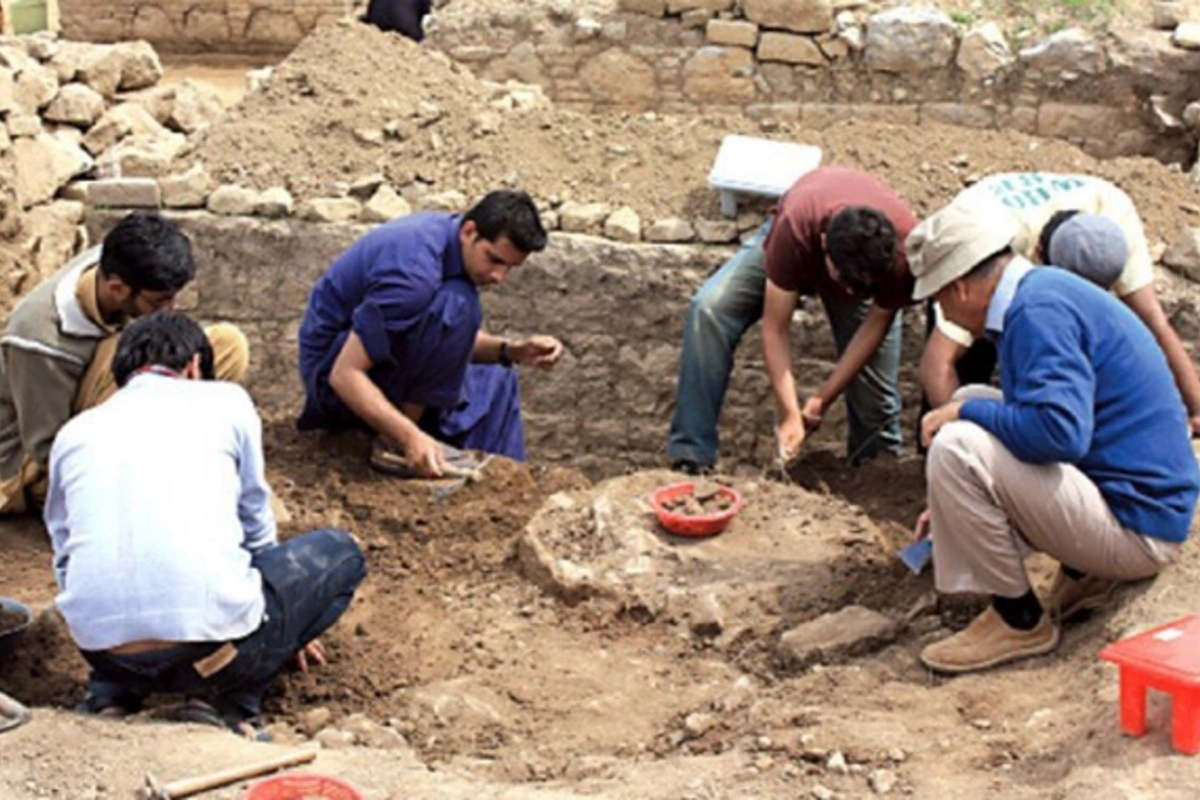
2600-year-old ancient city discovered by archaeologists in Pakistan
A sensational discovery was made by the Punjab Department of Archaeology during excavations at the Bhir monument near Taxila. Scientists have found traces of a highly developed civilization from the 6th century BCE, reports The Express Tribune.
Extensive archaeological work has revealed amazing details of ancient urban planning: well-planned narrow streets, residential buildings, skillfully created wells, granaries, and many household items that tell about the lives of the ancient inhabitants of the city.
Specialists emphasize the uniqueness of the discovered settlement - it developed naturally, and its layout differs significantly from Greek urban planning models that appeared later, reflecting a distinctive approach to the organization of urban space.
The research employs a whole arsenal of modern technologies: GPS navigation, drones, 3D scanning, and digital mapping. This allows for recording the location of buildings and artifacts with unprecedented accuracy, creating a reliable database for future scientific research.
In addition to scientific tasks, the project performs an important educational function, providing practice for young archaeologists. There are plans to create an open-air museum that will make this historical treasure accessible to the general public.
Malik Maqsood Ahmed, former director of the Punjab Department of Archaeology, noted the special value of the find: Bhir is the oldest city of Taxila with a history dating back to the 6th century BCE. The monument is of great importance for studying the Gandhara civilization and contains traces of the Achaemenid era, the early Mauryan dynasty, and the pre-Alexandrian period.
According to Ahmed, the strategic location of the city at the intersection of ancient trade routes connecting Central Asia, Afghanistan, and the Indian subcontinent makes it particularly significant. The ongoing scientific research and measures to preserve cultural heritage strengthen Punjab's status as a major center of archaeology and protection of historical heritage in the region.