

05 Nov , 15:54 2025
0
Breakthrough in dementia research: astrocytes become the focus of scientists' attention
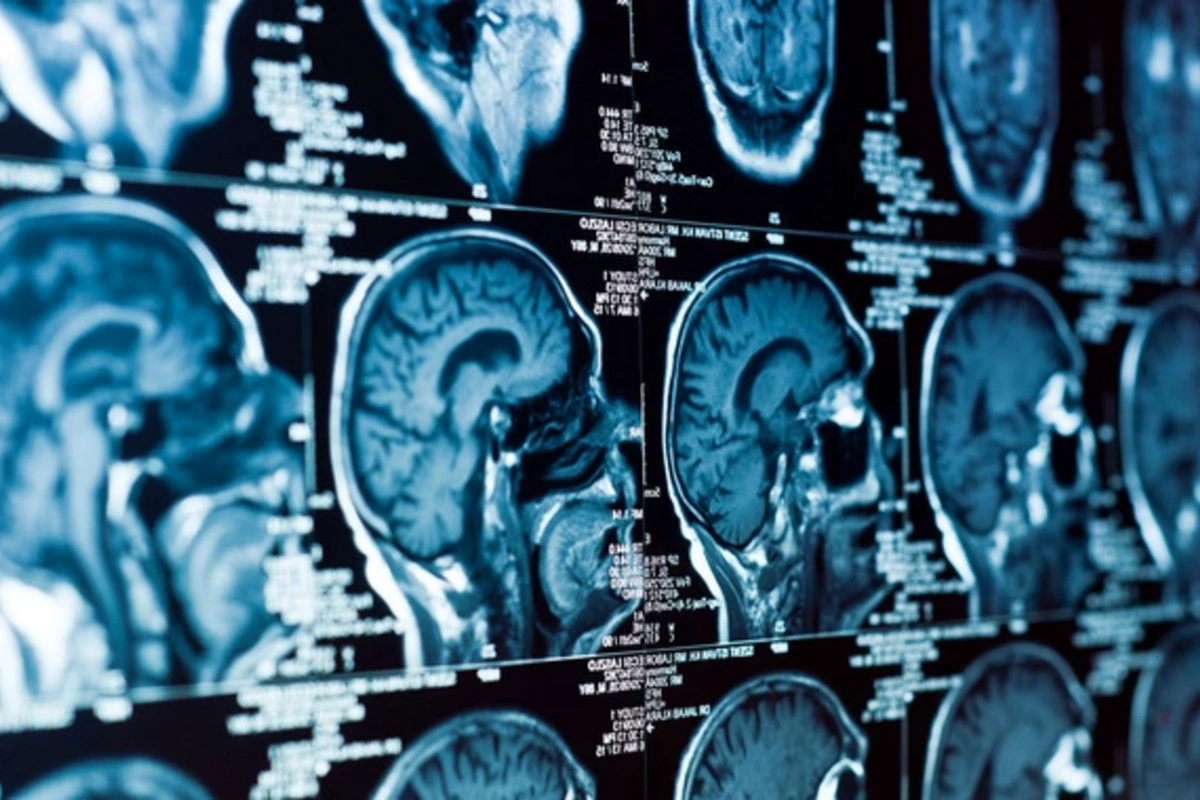
The results of a revolutionary study were published in the prestigious scientific journal Nature Metabolism, reports TUT.AZ with reference to Gazeta.ru.
Scientists from the Weill Cornell Medical Center have made an important discovery by focusing on mitochondria - cellular "power plants" responsible for producing energy and reactive oxygen species (ROS). While small amounts of ROS are necessary for normal brain function, their excess can seriously damage cellular structures.
The surprise for researchers was the fact that dangerous excess ROS is formed not in the neurons themselves, but in astrocytes - supporting cells that are in close contact with nervous tissue. Experimental application of the compound S3QEL, which blocks the release of ROS, showed a protective effect for neurons, but only in the presence of astrocytes. This observation convincingly confirmed the critical role of astrocytes in the development of inflammatory processes and damage to nerve cells.
Excessive ROS cause oxidation of proteins that control immune response and metabolism, and also disrupt the work of numerous genes, including those associated with neurodegenerative diseases. Notably, the use of S3QEL effectively stopped these destructive processes, while conventional antioxidants proved powerless.
In tests on mice with frontotemporal dementia, the compound S3QEL demonstrated impressive results: reduction of inflammatory processes, decrease in toxicity of pathological proteins, and even an increase in the lifespan of the animals. It is important to note that positive effects were observed even when therapy was started after the onset of disease symptoms.
Scientists are optimistic about the prospects of using S3QEL as a basis for innovative therapy for patients with dementia, however, they emphasize the need for additional clinical studies to fully assess the safety and effectiveness of this compound in humans.