


26 Jan , 18:59
2
Scientists uncover unexpected aging mechanism: cells "forget" what they are supposed to be
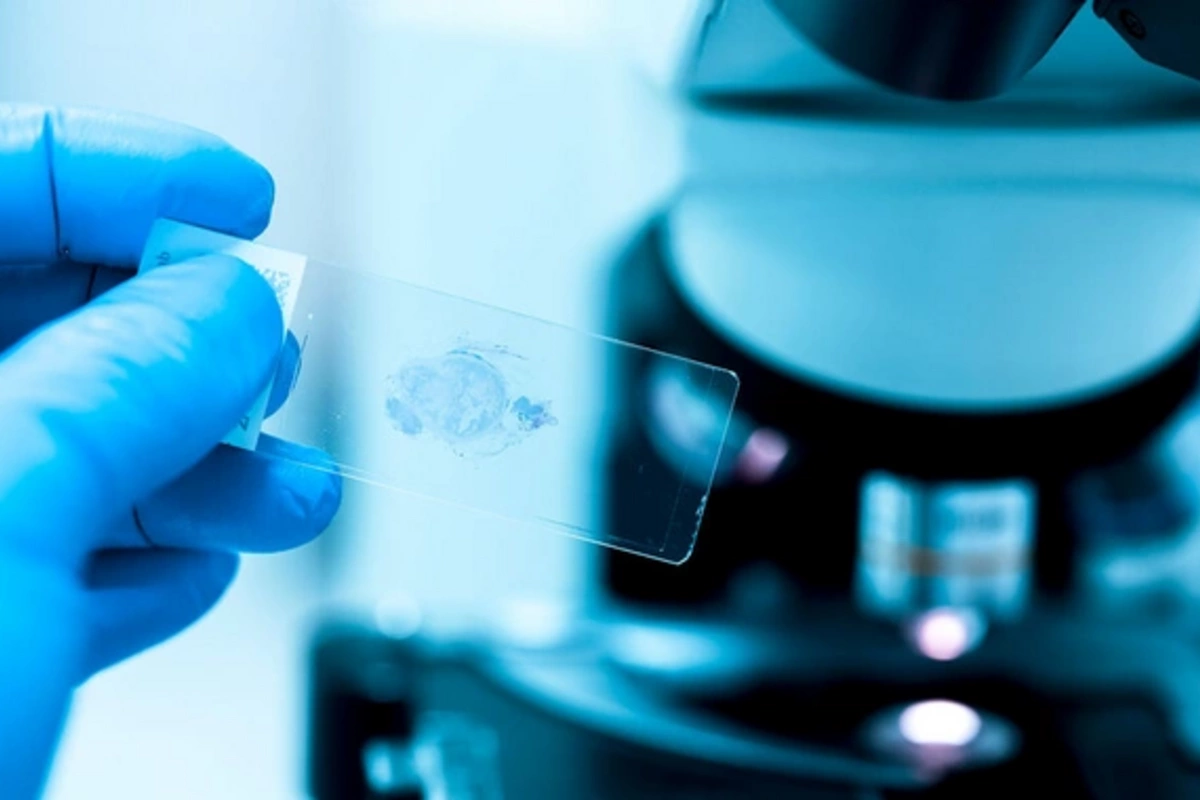
Researchers from Altos Labs (USA) have discovered that aging is related not only to the accumulation of damage in cells but also to the gradual loss of their "instructions" that determine specialization and functions. The results of this breakthrough study are published on The National Library of Medicine (NLM) portal.
During a large-scale analysis, scientists studied how gene activity changes in various human tissues with age. It turned out that aging cells increasingly "activate" the so-called mesenchymal program — a set of genes characteristic only for connective tissue. Normally, this program is activated only in certain cases, but with age, it unexpectedly begins to manifest in specialized cells of various organs.
This "mesenchymal shift" proved to be a surprisingly widespread phenomenon: its signs were found in more than 40 types of tissues and in 20 different diseases, including pulmonary fibrosis and renal failure. Notably, a more pronounced shift directly correlated with disease progression and decreased patient survival.
To check whether this process is the cause of functional deterioration, scientists suppressed the activity of key genes responsible for triggering scarring programs. The results were impressive: cells partially restored epigenetic features characteristic of a younger state. A similar effect was achieved using "partial reprogramming" — the short-term activation of factors that change the structure of gene function without completely erasing cellular memory.
Earlier experiments on mice had already demonstrated that such brief "pulses" of reprogramming can improve tissue function and reduce molecular signs of aging. However, researchers emphasize an important point: the method requires extremely precise dosing, as excessive intervention can disrupt tissue function and increase the risk of tumor formation.
According to scientists, restoring and maintaining cell health remains one of the key challenges of modern biomedicine. The first clinical trials of such approaches are planned to be conducted locally — for example, in eye tissues, where the effect can be strictly controlled and monitored.