



07 Oct , 19:36
0
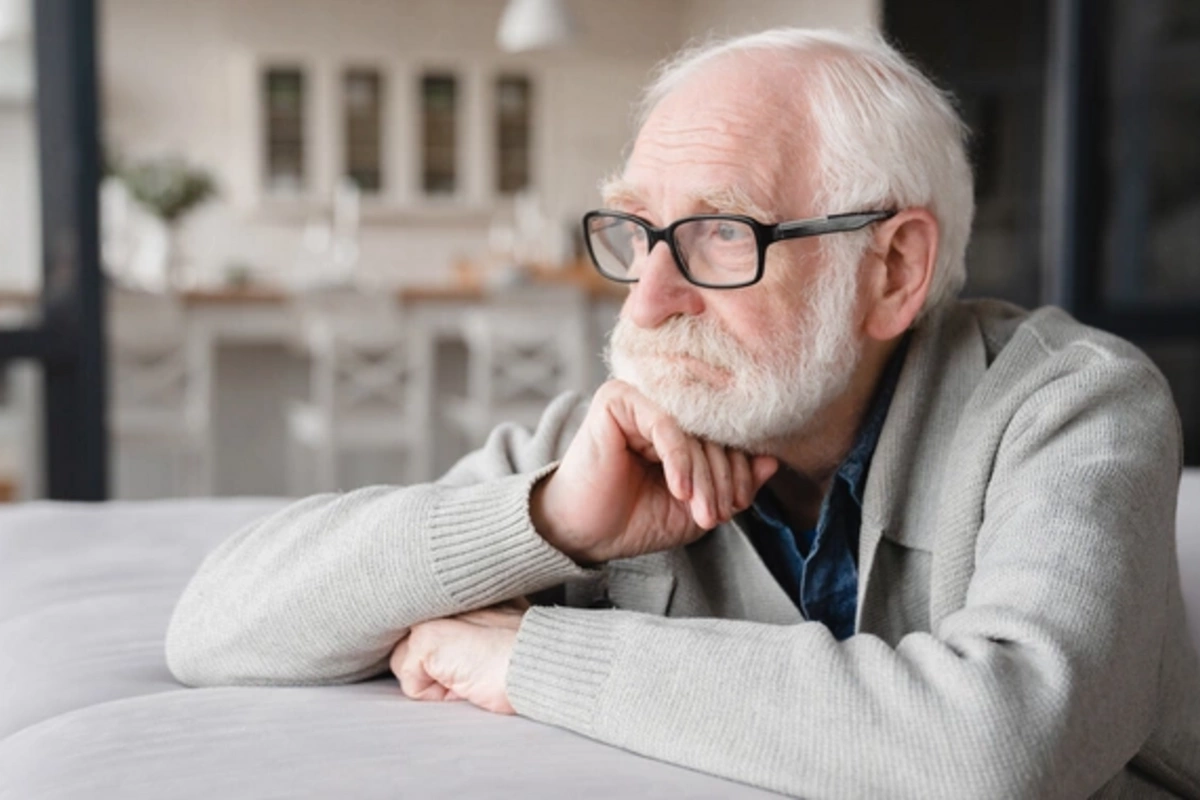
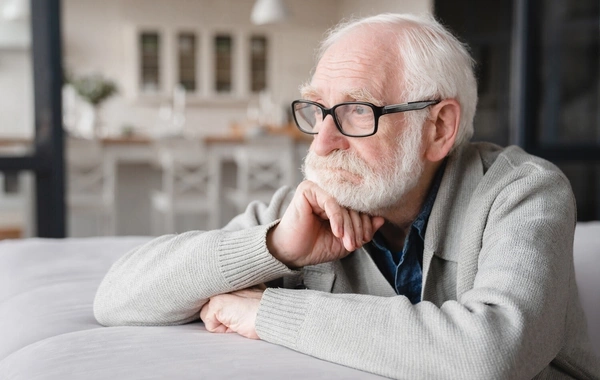
Turkish scientists from Ege University have established that the ability of elderly people to remain in their own homes directly determines their level of happiness. The study, published in the journal Scientific Reports, convincingly demonstrated that for the emotional well-being of retirees, a familiar living environment and active social connections matter far more than ideal physical health.
A total of 394 people over the age of 65 participated in the large-scale survey, with the average age of volunteers being 72. The researchers worked with patients at Turkish hospitals who were receiving treatment in cardiology and gastroenterology departments, carefully evaluating their living conditions and emotional state. The results proved to be telling: elderly people who had managed to maintain the ability to live in their familiar home environment felt significantly happier than those who had been forced to move to residential care facilities and part with their accustomed way of life. The connection between comfortable living in one's own home and joy in life turned out to be statistically significant and remarkably strong.
A detailed analysis of the data yielded yet another important discovery: the highest level of satisfaction was demonstrated by retirees who regularly socialized with neighbors and friends. The opportunity to see loved ones turned out to be even more important for the sense of happiness than the ability to take care of oneself independently in daily life. Scientists explain this phenomenon by the fact that one's own home is not simply a roof over one's head, but a place where personal identity, autonomy, and a sense of security are preserved — things that become particularly fragile in old age.
"Creating a comfortable environment for retirees should not be limited solely to medical care or adapting apartments for people with limited mobility," the authors of the study emphasize. In their view, it is vitally important to develop programs that help elderly people socialize.
The global aging of the population poses serious challenges for society. According to World Health Organization projections, by 2030 every sixth person on the planet will have crossed the 60-year threshold. Around the world, the proportion of older people is steadily growing, and the overwhelming majority of them prefer to remain in their own homes for as long as possible, avoiding a move to care institutions or to their children's homes.