




24 Nov , 13:57
0
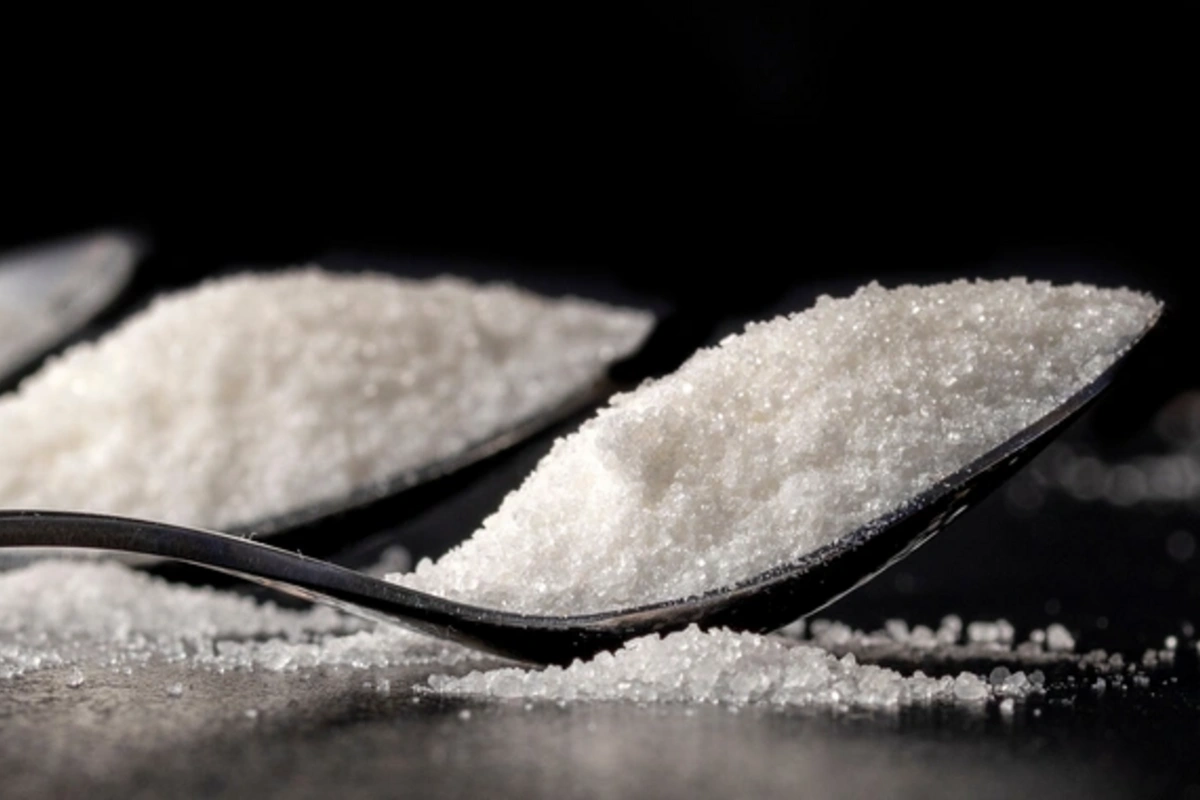
The popular sugar substitute erythritol may be linked to an increased risk of ischemic stroke. This pattern was identified by Chinese scientists from Huazhong University of Science and Technology. The results of the study were published in the International Journal of Molecular Sciences (IJMS).
Erythritol is a low-calorie sugar substitute widely used in the production of diet sweets, protein bars, and other products with reduced sugar content. In terms of sweetness, it is comparable to regular sugar, yet it contains virtually no calories and has almost no effect on insulin levels. In small amounts, erythritol is also naturally found in some fruits and is produced by the human body itself.
The research team analyzed genetic data to determine whether there is a link between erythritol concentration in the blood and stroke risk. The results were alarming: in people with a genetic predisposition to elevated levels of this substance, the probability of ischemic stroke was approximately 25 percent higher.
The scientists also examined possible biological mechanisms behind the discovered pattern. According to the obtained data and the results of earlier laboratory experiments, high concentrations of erythritol can provoke inflammatory processes, oxidative stress, and vascular damage.
In addition, studies on cell models point to a possible negative effect of the substance on the blood-brain barrier — a protective system that controls the passage of substances from the blood into brain tissues. Another concerning factor is that erythritol may increase platelet activity, which plays a role in the formation of blood clots.
At the same time, the authors of the study emphasize that the discovered association does not prove that consuming products with erythritol directly causes stroke. The level of the substance in the blood depends not only on diet but also on individual metabolic characteristics. Additional research is needed for a definitive assessment of the potential risks.